
CYFIRMA Research and Advisory Team would like to highlight ransomware trends and insights gathered while monitoring various forums. This includes multiple – industries, geography, and technology that could be relevant to your organization.
Type: Ransomware
Target Technologies: Windows OS
Targeted Countries:
United States, Canada, Australia, Belgium, Maldives, France, Qatar, United Arab Emirates, Pakistan
Targeted Industries:
Manufacturing, Logistics, Energy, Real Estate, Legal, Hospitality, Construction, Healthcare, Engineering, Warehousing, Finance, Insurance, Industrial Services, Design.
Introduction:
CYFIRMA Research and Advisory Team has found Aur0ra Ransomware while monitoring various underground forums as part of our Threat Discovery Process.
Aur0ra Ransomware
Researchers have identified Aur0ra as a ransomware strain designed to deny file access through encryption while also asserting that sensitive information was extracted from the affected system before encryption took place. Aur0ra ransomware encrypted files without changing their original names or adding new extensions. For instance, a file such as “1.jpg” retained its filename after encryption but was no longer accessible. This operational pattern reflects a dual-function approach that combines file encryption with claimed data exfiltration. Upon completing the encryption routine, Aur0ra created a ransom message in a text file named “!!!README!!!DO_NOT_DELETE.txt”.
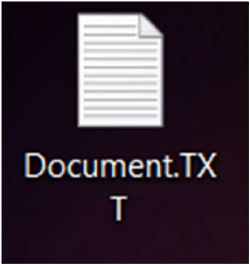
Screenshot: File encrypted by the ransomware (No change in file name) (Source: Surface Web)
The message left by Aur0ra indicates that confidential files were allegedly downloaded from the affected system and confirms that local files have been encrypted. Victims are directed to establish communication through a Tor-based website provided in the note and are instructed to use a designated access key during the contact process. The communication contains only basic contact instructions and an access identifier, without disclosing ransom payment details, deadlines, or offering a test decryption feature.
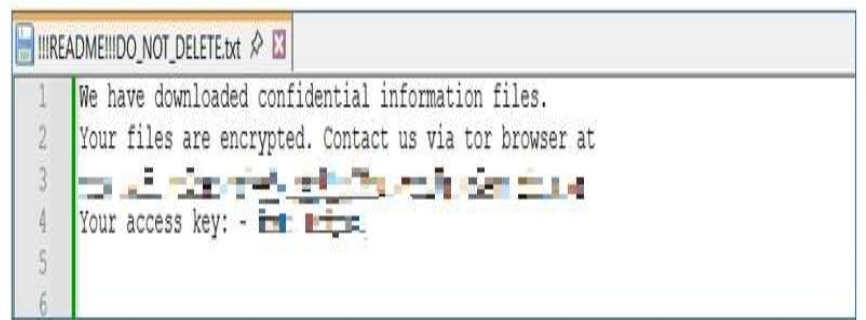
Screenshot: The appearance of Aur0ra’s Ransom Note (Source: Surface Web)
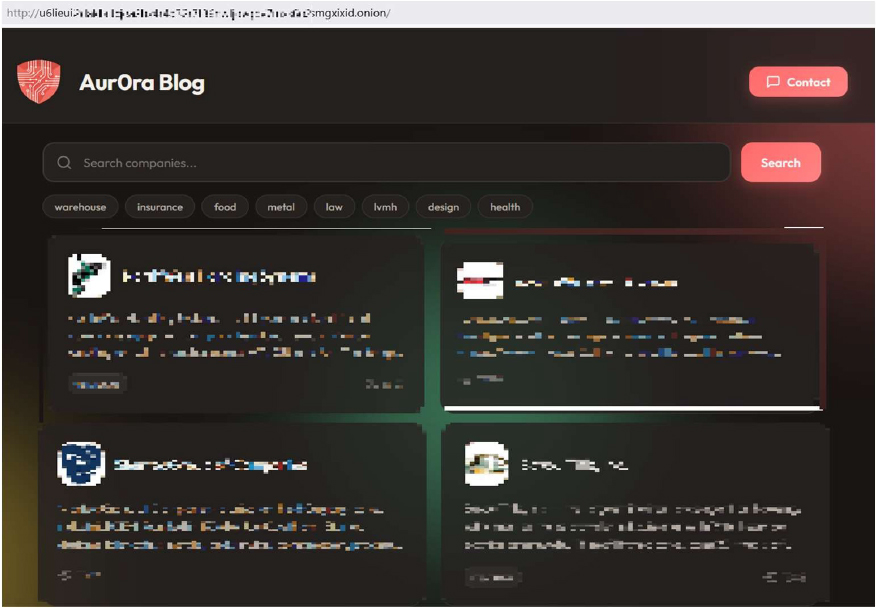
Screenshot: The appearance of Aur0ra’s Data Leak Site (Source: Surface Web/ Darkweb)
The following are the TTPs based on the MITRE Attack Framework
| Tactic | Technique ID | Technique Name |
| InitialAccess | T1091 | Replication Through Removable Media |
| Execution | T1059 | Command and Scripting Interpreter |
| Execution | T1129 | Shared Modules |
| Persistence | T1546.011 | Event Triggered Execution: Application Shimming |
|
Privilege Escalation |
T1055 | Process Injection |
|
Privilege Escalation |
T1134 | Access Token Manipulation |
|
Privilege Escalation |
T1546.011 | Event Triggered Execution: Application Shimming |
|
Privilege Escalation |
T1548 | Abuse Elevation Control Mechanism |
| Discovery | T1012 | Query Registry |
| Discovery | T1057 | Process Discovery |
| Discovery | T1082 | System Information Discovery |
| Discovery | T1120 | Peripheral Device Discovery |
| Discovery | T1135 | Network Share Discovery |
|
Lateral Movement |
T1091 | Replication Through Removable Media |
| Collection | T1560 | Archive Collected Data |
|
Command and Control |
T1071 | Application Layer Protocol |
|
Command and Control |
T1090 | Proxy |
| Impact | T1490 | Inhibit System Recovery |
| Stealth | T1027.002 |
Obfuscated Files or Information: Software Packing |
| Stealth | T1036 | Masquerading |
| Stealth | T1055 | Process Injection |
| Stealth | T1070.006 | Indicator Removal: Timestomp |
| Stealth | T1134 | Access Token Manipulation |
| Stealth | T1202 | Indirect Command Execution |
| Stealth | T1564.003 | Hide Artifacts: Hidden Window |
Relevancy and Insights:
ETLM Assessment:
CYFIRMA’s analysis indicates that Aur0ra reflects a ransomware framework designed around both data encryption and claimed information exfiltration, aligning with the dual-extortion techniques increasingly observed across ransomware operations. Technical analysis shows that the malware encrypts files without altering their filenames or appending additional extensions, allowing encrypted data to remain visually unchanged while becoming inaccessible. The deployment of a dedicated ransom note, use of a Tor-based communication portal, and assignment of a victim-specific access key indicate a structured post- compromise communication mechanism intended to manage interactions with affected users. Additionally, behavioral indicators such as system and device- related checks suggest that Aur0ra may conduct environmental awareness or reconnaissance activities during execution to assess the infected environment.
The operational characteristics observed in Aur0ra suggest potential for continued technical development through incremental updates and feature expansion. Future variants may adopt stronger anti-analysis and evasion mechanisms, refined encryption workflows, and broader reconnaissance capabilities aimed at identifying valuable data repositories and connected resources. Its communication infrastructure may also evolve through modified Tor-based interaction methods or streamlined access procedures designed to support more organized post- compromise communication. As ransomware ecosystems continue to mature through iterative development cycles, Aur0ra may undergo further adaptation to improve deployment flexibility, persistence of operations, and compatibility with diverse target environments while maintaining its core encryption and extortion- oriented functionality.
Sigma rule:
title: Uncommon Svchost Command Line Parameter
description: Detects instances of svchost.exe running with an unusual or uncommon command line parameter by excluding known legitimate or common patterns.
This could point at a file masquerading as svchost, a process injection, or hollowing of a legitimate svchost instance.
tags:
– attack.privilege-escalation
– attack.stealth
– attack.t1036
– attack.t1055
– attack.t1055 logsource:
category: process_creation product: windows
detection: selection:
# Example of command to simulate: “C:\Windows\System32\svchost.exe” calc.exe
Image|endswith: ‘\svchost.exe’ filter_main_flags:
CommandLine|re: ‘-k\s\w{1,64}(?:\s?(?:-p|-s))?’ filter_main_empty:
CommandLine: ” filter_main_null:
CommandLine: null filter_optional_defender:
ParentImage|endswith: ‘\MsMpEng.exe’ CommandLine|contains: ‘svchost.exe’
filter_optional_mrt: ParentImage|endswith: ‘\MRT.exe’ CommandLine: ‘svchost.exe’
condition: selection and not 1 of filter_main_* and not 1 of filter_optional_* falsepositives:
– Unlikely level: high
(Source: Surface Web)
IOCs:
Kindly refer to the IOCs section to exercise control of your security systems. (Source: Surface Web)
STRATEGIC RECOMMENDATIONS
MANAGEMENT RECOMMENDATIONS
TACTICAL RECOMMENDATIONS
Type: Information Stealer| Objectives: Data Exfiltration | Target Technology: Windows OS|
Target Geography: Global
CYFIRMA collects data from various forums based on which the trend is ascertained. We identified a few popular malware that were found to be distributed in the wild to launch cyberattacks on organizations or individuals.
Active Malware of the week
This week, “Remus Stealer” is in focus
Overview of Operation Remus Stealer Malware
Remus Stealer sample analysis reveals a sophisticated, multi-stage execution pattern designed to operate discreetly within a Windows environment. The activity begins with a user-level executable that deploys additional components from temporary locations, indicating a staged and controlled execution flow. The program relies on built-in Windows management features to collect essential system information and assess the operating environment before proceeding further. This initial profiling enables it to adapt its behavior while minimizing the risk of exposure.
The sample also demonstrates attempts to gain elevated privileges by leveraging legitimate system mechanisms and modifying normal execution pathways. It interacts with critical registry locations, system libraries, and configuration areas commonly associated with higher execution contexts. At the same time, it performs checks for security controls and monitoring tools, reflecting a deliberate effort to remain undetected by blending into routine system operations rather than triggering suspicious activity.
Several evasion techniques are evident in its design. The structure suggests the use of obfuscation and runtime decoding, allowing the core functionality to remain concealed during analysis. Indications of process manipulation imply that the program may shift its activity into trusted system processes, further masking its presence. Once stable, it appears to access user directories and application data, suggesting an intent to collect locally stored information of interest.
Network-related indicators reveal preparation for external communication through non- standard channels and concealed references to remote infrastructure. These observations suggest the use of covert methods for command exchange and data transmission. Overall, the behavior of the Remus Stealer sample reflects a carefully engineered malicious tool that prioritizes stealth, controlled execution, and discreet communication, characteristics commonly associated with advanced and purpose- built threats.
Attack Method
The attack method begins with a staged loader launched from a user directory, which immediately drops and executes a secondary component from the temporary path to separate the installer logic from the core payload. Very early in execution, the malware pivots Windows Management Instrumentation (WMI) by invoking wmiprvse.exe and wmiadap.exe to query classes under ROOT\CIMV2, specifically operating system and video controller details. This reconnaissance step allows the code to fingerprint the host, detect virtualized or sandboxed environments, and conditionally proceed only when the system appears suitable for continued activity. Parallel loading of libraries such as bcryptprimitives.dll, rpcrt4.dll, and SspiCli.dll indicates that cryptographic routines and RPC capabilities are initialized before any external communication is attempted.
Privilege elevation is achieved by manipulating execution flow through registry paths associated with the COM Elevation Moniker, notably the CLSID 4590F811-1D3A- 11D0891F-00AA004B2E24. By abusing auto-elevated COM handlers, the malware gains higher integrity execution without prompting the user, effectively blending malicious actions into trusted Windows components. Additional touches to amsi.dll, sysmain.sdb, and AppCompat-related keys suggest pre-emptive interference with security inspection and compatibility mechanisms that might otherwise expose abnormal behavior. Interaction with \Device\KsecDD further shows preparation for secure cryptographic operations at a low level before command exchange begins.
Evasion is sustained through layered obfuscation and in-memory reconstruction of the true payload. The sample appears to unpack or decode its functional code at runtime, leaving minimal static artifacts on disk. Process injection is then used to migrate execution into legitimate system processes, masking activity under trusted process names. During this phase, the malware probes user-accessible paths, including desktop locations and Outlook data folders, positioning itself to collect locally stored information once it has established a stable foothold within the system.
For command and control, malware relies on dynamically decoded network indicators rather than hard-coded strings. Memory traces reveal references to cheapoca.biz across unusual ports (500 and 5003–5007), while observed UDP traffic to 162.159.36.2:53 points toward DNS-based or covert application-layer communication. By keeping these indicators concealed until runtime, the malware reduces the likelihood of static detection. Overall, the attack method demonstrates a tightly coordinated sequence of environment profiling, privilege escalation, stealthy execution, and concealed communication designed to maintain control while remaining largely invisible to conventional defenses.
The following are the TTPs based on the MITRE Attack Framework for Enterprise
| Tactic | Technique ID | Technique Name |
| Execution | T1047 | Windows Management Instrumentation |
| Execution | T1129 | Shared Modules |
| Privilege Escalation | T1055 | Process Injection |
| Stealth | T1027 | Obfuscated Files or Information |
| Stealth | T1027:002 | Obfuscated Files or Information: Software Packing |
| Stealth | T1140 | Deobfuscate/Decode Files or Information |
| Stealth | T1497 | Virtualization/Sandbox Evasion |
| Discovery | T1518 | Software Discovery |
| Discovery | T1518.001 | Software Discovery: Security Software Discovery |
| Discovery | T1082 | System Information Discovery |
| Discovery | T1083 | File and Directory Discovery |
| Collection | T1005 | Data from Local System |
| Command and control | T1071 | Application Layer Protocol |
INSIGHTS
ETLM ASSESSMENT
From an ETLM standpoint, the progression of threats that emphasize discretion and environmental alignment reflects a shift toward attack patterns that quietly adapt to routine organizational activity. Such threats are likely to blur the distinction between legitimate system operations and malicious intent, making it harder for both users and security teams to recognize early indicators of compromise. As employees continue to interact with everyday applications, files, and processes, these normal actions may unintentionally provide the conditions needed for such threats to remain active without drawing attention.
Over time, the growing similarity between ordinary workflows and concealed malicious behavior may contribute to a more uncertain operational landscape. This overlap is expected to complicate efforts to differentiate anomalies from routine events, increasing the difficulty of maintaining consistent visibility into system integrity. As a result, both organizational environments and individual user interactions may exist within a space where identifying subtle irregularities becomes progressively more challenging.
IOCs:
Kindly refer to the IOCs Section to exercise controls on your security systems. (Source: Surface Web)
YARA Rules
rule RemusStealer_String_Based_Detection
{
meta:
description = “Detects RemusStealer using distinctive behavioral, memory, and artifact strings”
author = “CYFIRMA” date = “2026-05-19”
strings:
$hash =
“48385492b6518cb2f3adcfd4a49c065ba960bdc617817068bd5faeb493d3f2db”
$s1 = “cheapoca.biz”
$s2 = “cheapoca.biz:5003”
$s3 = “cheapoca.biz:500”
$s4 = “wmiprvse.exe”
$s5 = “wmiadap.exe”
$s6 = “ROOT\\CIMV2”
$s7 = “Win32_OperatingSystem”
$s8 = “Win32_VideoController”
$s9 = “{4590F811-1D3A-11D0-891F-00AA004B2E24}”
$s10 = “\\Device\\KsecDD”
$s11 = “amsi.dll”
$s12 = “sysmain.sdb”
$s13 = “bcryptprimitives.dll”
$s14 = “rpcrt4.dll”
$s15 = “SspiCli.dll”
$s16 = “%TEMP%”
$s17 = “Outlook Files” condition:
10 of ($s*) or $hash
}
Strategic Recommendations
Management Recommendations
Tactical Recommendations
Key Intelligence Signals:
Kimsuky aka APT43: Expansion of digital footprints and arsenal
About the Threat Actor
The latest advanced persistent threat actor suspected to be from North Korea supports the interests of the regime. The threat actor collection priorities align with the mission of the Reconnaissance General Bureau (RGB), North Korea’s main foreign intelligence service. The group has moderately sophisticated technical capabilities with aggressive social engineering tactics, focused on the Korean peninsula geopolitical issues. The threat actor funds itself through cybercrime operations to support its primary mission of collecting strategic intelligence in addition to espionage-related campaigns.
Details on Exploited Vulnerabilities

TTPs based on MITRE ATT&CK Framework
| Tactic | ID | Technique |
| Reconnaissance | T1591 | Gather Victim Org Information |
| Reconnaissance | T1589.004 | Gather Victim Identity Information: Employee Names |
| Reconnaissance | T1589.002 | Gather Victim Identity Information: Email Addresses |
| Reconnaissance | T1598 | Phishing for Information |
| Reconnaissance | T1598.003 | Phishing for Information: Spear phishing Link |
| Reconnaissance | T1682 | Query Public AI Services |
| Reconnaissance | T1596 | Search Open Technical Databases |
| Reconnaissance | T1593.001 | Search Open Websites/Domains: Social Media |
| Reconnaissance | T1593.002 | Search Open Websites/Domains: Search Engines |
| Reconnaissance | T1594 | Search Victim-Owned Websites |
| ResourceDevelopment | T1586.002 | Compromise Accounts: Email Accounts |
| ResourceDevelopment | T1608.001 | Stage Capabilities: Upload Malware |
| ResourceDevelopment | T1587.001 | Develop Capabilities: Malware |
| ResourceDevelopment | T1587 | Develop Capabilities |
| ResourceDevelopment | T1583 | Acquire Infrastructure |
| Resource Development | T1583.001 | Acquire Infrastructure: Domains |
| Resource Development | T1583.004 | Acquire Infrastructure: Server |
| Resource Development | T1583.006 | Acquire Infrastructure: Web Services |
| Resource Development | T1584.001 | Compromise Infrastructure: Domains |
| Resource Development | T1585 | Establish Accounts |
| Resource Development | T1585.001 | Establish Accounts: Social Media Accounts |
| Resource Development | T1585.002 | Establish Accounts: Email Accounts |
| Resource Development | T1588.002 | Obtain Capabilities: Tool |
| Resource Development | T1588.003 | Obtain Capabilities: Code Signing Certificates |
| Resource Development | T1588.005 | Obtain Capabilities: Exploits |
| InitialAccess | T1190 | Exploit Public-Facing Application |
| Initial Access | T1133 | External Remote Services |
| Initial Access | T1078.003 | Valid Accounts: Local Accounts |
| Initial Access | T1566.001 | Phishing: Spear phishing Attachment |
| Initial Access | T1566.002 | Phishing: Spear phishing Link |
| Initial Access | T1566 | Phishing |
| Execution | T1059.001 | Command and Scripting Interpreter: PowerShell |
| Execution | T1059.007 | Command and Scripting Interpreter: JavaScript |
| Execution | T1059.006 | Command and Scripting Interpreter: Python |
| Execution | T1059.005 | Command and Scripting Interpreter: Visual Basic |
| Execution | T1059.003 | Command and Scripting Interpreter: Windows Command Shell |
| Execution | T1053.005 | Scheduled Task/Job: Scheduled Task |
| Execution | T1106 | Native API |
| Execution | T1204.001 | User Execution: Malicious Link |
| Execution | T1204.002 | User Execution: Malicious File |
| Execution | T1204.004 | User Execution: Malicious Copy and Paste |
| Execution | T1559.001 | Inter-Process Communication: Component Object Model |
| Persistence | T1098.007 | Account Manipulation: Additional Local or Domain Groups |
| Persistence | T1547.001 | Boot or Logon Autostart Execution: Registry Run Keys / Startup Folder |
| Persistence | T1136.001 | Create Account: Local Account |
| Persistence | T1543.003 | Create or Modify System Process: Windows Service |
| Persistence | T1546.001 | Event Triggered Execution: Change Default File Association |
| Persistence | T1133 | External Remote Services |
| Persistence | T1112 | Modify Registry |
| Persistence | T1053.005 | Scheduled Task/Job: Scheduled Task |
| Persistence | T1505.003 | Server Software Component: Web Shell |
| Persistence | T1176.001 | Software Extensions: Browser Extensions |
| Persistence | T1205 | Traffic Signaling |
| Persistence | T1078.003 | Valid Accounts: Local Accounts |
| Privilege Escalation | T1098.007 | Account Manipulation: Additional Local or Domain Groups |
| Privilege Escalation | T1547.001 | Boot or Logon Autostart Execution: Registry Run Keys / Startup Folder |
| Privilege Escalation | T1543.003 | Create or Modify System Process: Windows Service |
| Privilege Escalation | T1546.001 | Event Triggered Execution: Change Default File Association |
| Privilege Escalation | T1055.001 | Process Injection: Dynamic-link Library Injection |
| Privilege Escalation | T1055.012 | Process Injection: Process Hollowing |
| Privilege Escalation | T1053.005 | Scheduled Task/Job: Scheduled Task |
| Privilege Escalation | T1078.003 | Valid Accounts: Local Accounts |
| Stealth | T1678 | Delay Execution |
| Stealth | T1140 | Deobfuscate/Decode Files or Information |
| Stealth | T1480.002 | Execution Guardrails: Mutual Exclusion |
| Stealth | T1564.002 | Hide Artifacts: Hidden Users |
| Stealth | T1564.003 | Hide Artifacts: Hidden Window |
| Stealth | T1564.011 | Hide Artifacts: Ignore Process Interrupts |
| Stealth | T1070.004 | Indicator Removal: File Deletion |
| Stealth | T1070.006 | Indicator Removal: Timestomp |
| Stealth | T1036.004 | Masquerading: Masquerade Task or Service |
| Stealth | T1036.005 | Masquerading: Match Legitimate Resource Name or Location |
| Stealth | T1036.007 | Masquerading: Double File Extension |
| Stealth | T1027.001 | Obfuscated Files or Information: Binary Padding |
| Stealth | T1027.002 | Obfuscated Files or Information: Software Packing |
| Stealth | T1027.007 | Obfuscated Files or Information: Dynamic API Resolution |
| Stealth | T1027.010 | Obfuscated Files or Information: Command Obfuscation |
| Stealth | T1027.012 | Obfuscated Files or Information: LNK Icon Smuggling |
| Stealth | T1027.013 | Obfuscated Files or Information: Encrypted/Encoded File |
| Stealth | T1027.015 | Obfuscated Files or Information: Compression |
| Stealth | T1027.016 | Obfuscated Files or Information: Junk Code Insertion |
| Stealth | T1027 | Obfuscated Files or Information |
| Stealth | T1055.001 | Process Injection: Dynamic-link Library Injection |
| Stealth | T1055.012 | Process Injection: Process Hollowing |
| Stealth | T1620 | Reflective Code Loading |
| Stealth | T1684.001 | Social Engineering: Impersonation |
| Stealth | T1218.005 | System Binary Proxy Execution: Mshta |
| Stealth | T1218.010 | System Binary Proxy Execution: Regsvr32 |
| Stealth | T1218.011 | System Binary Proxy Execution: Rundll32 |
| Stealth | T1205 | Traffic Signaling |
| Stealth | T1078.003 | Valid Accounts: Local Accounts |
| Stealth | T1497.001 | Virtualization/Sandbox Evasion: System Checks |
| DefenseImpairment | T1686 | Disable or Modify System Firewall |
| DefenseImpairment | T1685 | Disable or Modify Tools |
| DefenseImpairment | T1112 | Modify Registry |
| DefenseImpairment | T1553.002 | Subvert Trust Controls: Code Signing |
| Credential Access | T1557 | Adversary-in-the-Middle |
| Credential Access | T1555.003 | Credentials from Password Stores: Credentials from Web Browsers |
| Credential Access | T1056.001 | Input Capture: Keylogging |
| Credential Access | T1056.003 | Input Capture: Web Portal Capture |
| Credential Access | T1111 | Multi-Factor Authentication Interception |
| Credential Access | T1040 | Network Sniffing |
| Credential Access | T1003.001 | OS Credential Dumping: LSASS Memory |
| Credential Access | T1539 | Steal Web Session Cookie |
| Credential Access | T1552.001 | Unsecured Credentials: Credentials In Files |
| Credential Access | T1552.004 | Unsecured Credentials: Private Keys |
| Discovery | T1217 | Browser Information Discovery |
| Discovery | T1083 | File and Directory Discovery |
| Discovery | T1680 | Local Storage Discovery |
| Discovery | T1040 | Network Sniffing |
| Discovery | T1057 | Process Discovery |
| Discovery | T1012 | Query Registry |
| Discovery | T1518.001 | Software Discovery: Security Software Discovery |
| Discovery | T1082 | System Information Discovery |
| Discovery | T1016 | System Network Configuration Discovery |
| Discovery | T1033 | System Owner/User Discovery |
| Discovery | T1007 | System Service Discovery |
| Discovery | T1124 | System Time Discovery |
| Discovery | T1497.001 | Virtualization/Sandbox Evasion: System Checks |
| LateralMovement | T1534 | Internal Spear phishing |
| LateralMovement | T1021.001 | Remote Services: Remote Desktop Protocol |
| LateralMovement | T1550.002 | Use Alternate Authentication Material: Pass the Hash |
| Collection | T1557 | Adversary-in-the-Middle |
| Collection | T1560.001 | Archive Collected Data: Archive via Utility |
| Collection | T1560.003 | Archive Collected Data: Archive via Custom Method |
| Collection | T1185 | Browser Session Hijacking |
| Collection | T1115 | Clipboard Data |
| Collection | T1005 | Data from Local System |
| Collection | T1074.001 | Data Staged: Local Data Staging |
| Collection | T1114.002 | Email Collection: Remote Email Collection |
| Collection | T1114.003 | Email Collection: Email Forwarding Rule |
| Collection | T1056.001 | Input Capture: Keylogging |
| Collection | T1056.003 | Input Capture: Web Portal Capture |
| Collection | T1113 | Screen Capture |
| Command and Control | T1071.001 | Application Layer Protocol: Web Protocols |
| Command and Control | T1071.002 | Application Layer Protocol: File Transfer Protocols |
| Command and Control | T1071.003 | Application Layer Protocol: Mail Protocols |
| Command and Control | T1568 | Dynamic Resolution |
| Command and Control | T1105 | Ingress Tool Transfer |
| Command and Control | T1132.002 | Data Encoding: Non-Standard Encoding |
| Command and Control | T1219.002 | Remote Access Tools: Remote Desktop Software |
| Command and Control | T1205 | Traffic Signaling |
| Command and Control | T1102.001 | Web Service: Dead Drop Resolver |
| Command and Control | T1102.002 | Web Service: Bidirectional Communication |
| Exfiltration | T1020 | Automated Exfiltration |
| Exfiltration | T1041 | Exfiltration Over C2 Channel |
| Exfiltration | T1567.002 | Exfiltration Over Web Service: Exfiltration to Cloud Storage |
| Impact | T1657 | Financial Theft |
| Impact | T1489 | Service Stop |
Latest Developments Observed
The threat actor is suspected of targeting the defense sector in South Korea, Brazil, and Germany using spear-phishing emails as initial access and deploying malware at a later stage. The intent appears to be exfiltration of sensitive information and intelligence gathering.
ETLM Insights
Kimsuky operates with a state-aligned intelligence collection mandate, prioritizing strategic espionage in support of DPRK foreign policy, sanctions evasion awareness, and geopolitical positioning. The group’s activity reflects a sustained focus on long- term access to information-bearing environments rather than financially motivated operations, with operations structured to enable prolonged visibility into diplomatic, policy, and defense-related communications.
Operations are increasingly multi-stage in nature, enabling both broad infiltration and highly targeted espionage objectives. The group’s heightened technical sophistication, including modular payloads, refined social engineering, vulnerabilities & exploits, malware attacks, and supply-chain compromise tactics, underscores an elevated threat profile to technology providers, open-source platforms, and high-value enterprises.
IOCs:
Kindly refer to the IOCs section to exercise control of your security systems. (Source: Surface Web)
YARA Rules
rule Kimsuky_APT_Generic_Detection
{
meta:
description = “Detects potential Kimsuky/APT43 related malware artifacts and behaviors”
author = “CYFIRMA” date = “2026-05-19”
threat_actor = “Kimsuky” severity = “high”
strings:
/* Common spear-phishing / lure indicators */
$s1 = “powershell -enc” nocase
$s2 = “cmd.exe /c” nocase
$s3 = “AppData\\Roaming” nocase
$s4 = “schtasks /create” nocase
$s5 = “reg add HKCU\\Software\\Microsoft\\Windows\\CurrentVersion\\Run” nocase
/* Kimsuky infrastructure / tooling patterns observed historically */
$k1 = “mail.google.com” nocase
$k2 = “docs.google.com/forms” nocase
$k3 = “Dropbox” nocase
$k4 = “Mozilla/5.0 (Windows NT” nocase
/* Malware execution / persistence patterns */
$m1 = “.vbs”
$m2 = “.hta”
$m3 = “.ps1”
$m4 = “WScript.Shell” nocase
$m5 = “CreateObject” nocase
$m6 = “FromBase64String” nocase
/* Suspicious Korean-language spear-phishing themes */
$ph1 = “security update” nocase
$ph2 = “urgent document” nocase
$ph3 = “password expiration” nocase condition:
(
3 of ($s*) and 2 of ($m*)
)
or (
2 of ($k*) and 2 of ($m*)
)
or (
uint16(0) == 0x5A4D and 4 of them
)
}
Strategic Recommendations
Management Recommendations
Tactical Recommendations
Chipmaker Foxconn Hit by a Disruptive Cyberattack as Ransomware Gang Claims Theft of Apple, Google, and Nvidia Data
Taiwanese electronics manufacturing giant Foxconn has confirmed a significant cyberattack that disrupted operations across multiple North American factories. Foxconn stated that the affected facilities are currently resuming normal production, though the company declined to specify which exact locations were compromised. Foxconn maintains a massive footprint in North America, with major manufacturing facilities operating in Ohio, Texas, Virginia, Indiana, Mexico, and Wisconsin.
Signs of the disruption first emerged late last week; the situation escalated on Monday when the Nitrogen ransomware gang publicly listed Foxconn as a victim on its extortion site. The cybercriminals claim to have exfiltrated a staggering eight terabytes of data from the manufacturer’s networks. The group alleges that the stolen cache contains highly sensitive information, including proprietary schematics and confidential project details.
Most concerning for the broader tech industry is the identity of the clients affected by the alleged data heist. The Nitrogen gang claims the stolen blueprints and project files belong to some of Foxconn’s highest-profile customers, specifically naming tech titans Apple, Google, Nvidia, and Dell. Foxconn has not yet confirmed the validity of the hackers’ data theft claims or commented on whether any third-party intellectual property was actually compromised.
ETLM Assessment:
Based on current threat intelligence, the Nitrogen ransomware gang appears to be a purely financially motivated cybercriminal syndicate, rather than a state-sponsored or government-connected advanced persistent threat (APT). While a massive attack on a supply-chain giant like Foxconn involving data from Apple, Google, and Nvidia has the hallmarks of high-level espionage, the evidence points firmly toward standard, albeit highly sophisticated, cybercrime. The cyberattack landing concurrently with heightened geopolitical tension surrounding the Trump-Xi summit – sharply underscores Taiwan’s precarious yet utterly vital position in the global tech hierarchy. While Taiwan commands over 60% of the world’s semiconductor manufacturing and upwards of 90% of advanced microchip production, its corporate titans like Foxconn serve as the critical bridge transforming those chips into consumer hardware. With the Nitrogen group alleging the theft of eight terabytes of proprietary schematics belonging to giants like Nvidia, Apple, and Google, the breach transitions from a localized corporate extortion attempt into a glaring national security vulnerability. Against the backdrop of the summit, where tech supremacy, supply-chain independence, and the sovereignty of Taiwan are central flashpoints, the incident vividly illustrates that the physical defense of the Taiwan Strait is only one theater of conflict. In a hyper- connected world, the intellectual property fueling Western artificial intelligence and infrastructure is constantly caught in the crosshairs of asymmetric digital warfare.
Chinese hackers target Azerbaijan
As Middle Eastern and Eastern European energy supplies face ongoing disruptions, China-linked cyber espionage groups are following the economic ripples into new territories. According to new research, the China-aligned group FamousSparrow recently targeted an oil-and-gas company in Azerbaijan. This marks the first time a Chinese state-sponsored actor has been detected targeting industries in the South Caucasus – a vital European Union energy corridor that has historically fallen under Russia’s geopolitical sphere of influence.
Operating between December and February, the attackers used a sophisticated, two- stage DLL sideloading technique to evade detection and deploy the modified “Deed RAT” remote access tool. By splitting the malicious payload into seemingly harmless, separate components that only trigger when executed in a specific sequence, the group successfully bypassed standard sandbox analysis. While Russian threat groups frequently deploy cyber operations to exert influence in the region, this shift indicates that Beijing is actively expanding its own intelligence-gathering footprint into the strategic energy sector.
ETLM Assessment:
FamousSparrow was first identified in 2021, targeting government agencies globally, and has noticeably shared loose tactical overlaps with other notorious Chinese groups like Salt Typhoon. However, experts believe these similarities point to a shared “digital quartermaster” or centralized government repository where Chinese advanced persistent threats (APTs) share and copy successful tools, rather than the groups being identical. Ultimately, the breach was enabled by poor cyber hygiene; the Azerbaijani firm cleared infected workstations but failed to patch the initial entry point – a vulnerable Microsoft Exchange server – allowing FamousSparrow to launch two subsequent attacks. China is likely targeting Azerbaijan now to secure intelligence on a critical European energy corridor as global supply disruptions reshape the geopolitical landscape.
Qilin Ransomware Impacts PNSB Insurance Brokers Sdn Bhd
Summary:
CYFIRMA observed in an underground forum that a company from Malaysia, PNSB Insurance Brokers Sdn Bhd (https[:]//www[.]pnsbinsbrokers[.]com/), was compromised by Qilin Ransomware. PNSB Insurance Brokers Sdn Bhd is a Malaysia-based insurance and takaful brokerage company. The company operates in the insurance brokerage sector and provides insurance and Shariah-compliant takaful brokerage services for corporate and institutional clients. The ransomware attack targeting PNSB Insurance Brokers appears to have compromised multiple categories of sensitive business and financial data, based on the leaked preview images shared on the ransomware leak site. The exposed information seemingly includes internal financial spreadsheets, invoice records, insurance and brokerage documents, payment details, account statements, customer or client-related records, business correspondence, operational reports, and potentially confidential corporate documentation containing transaction data, policy-related information, and administrative records.
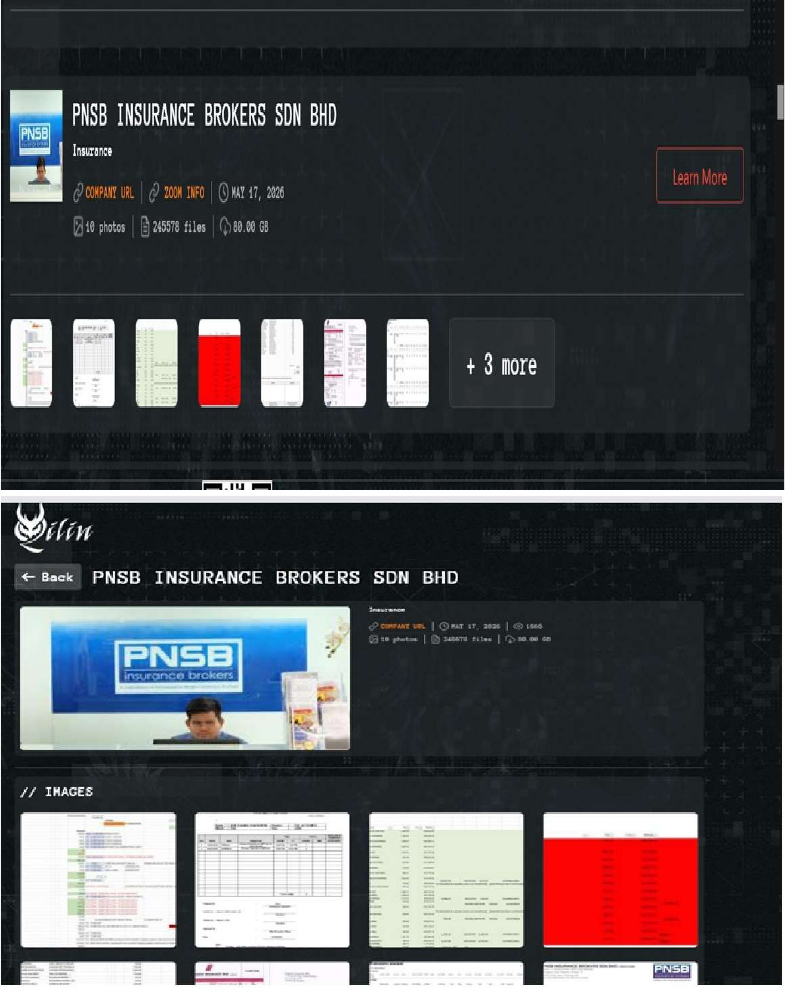
Source: Dark Web
Relevancy & Insights:
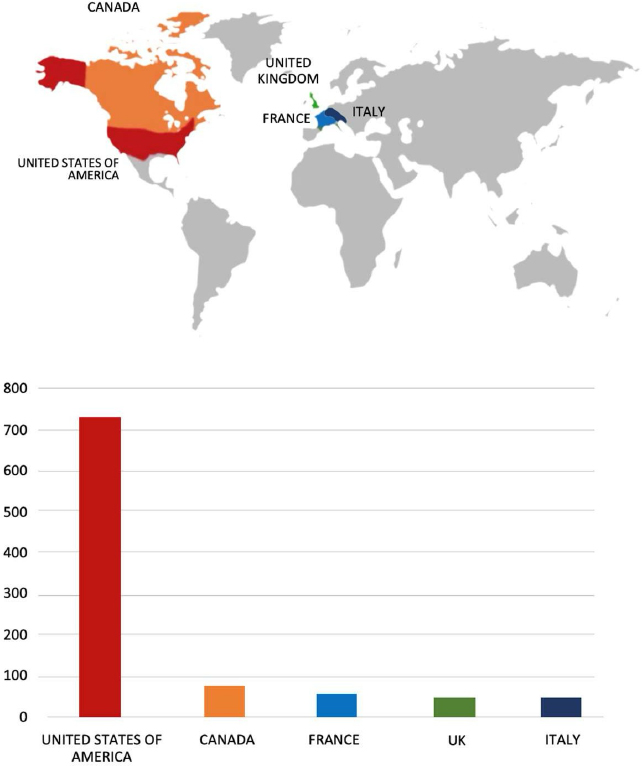
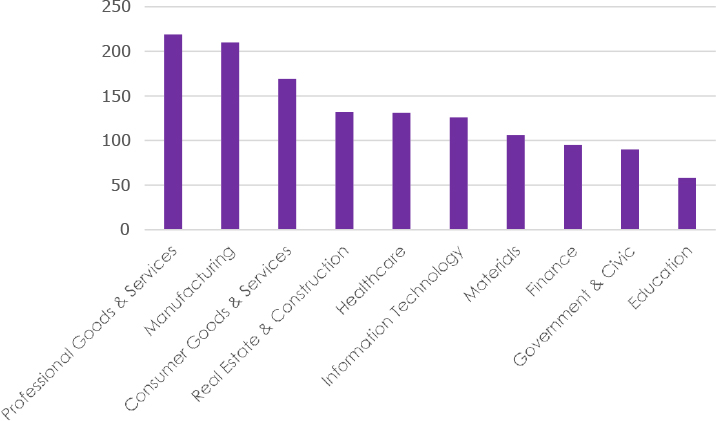
ETLM Assessment:
According to CYFIRMA’s assessment, Qilin ransomware poses a significant threat to organizations of all sizes. Its evolving tactics, including double extortion (data encryption and leak threats), cross-platform capabilities (Windows and Linux, including VMware ESXi), and a focus on speed and evasion, make it a particularly dangerous actor.
The Gentlemen Ransomware Impacts Nostrum Corporation
Summary:
CYFIRMA observed in an underground forum that a company from Japan, Nostrum Corporation(https[:]//nostrum[.]co[.]jp/), was compromised by The Gentlemen Ransomware. Nostrum Corporation, based in Japan, was founded in 1991 and specializes in smartphone app development, web system development, and website construction. The compromised data includes confidential and sensitive information belonging to the organization.
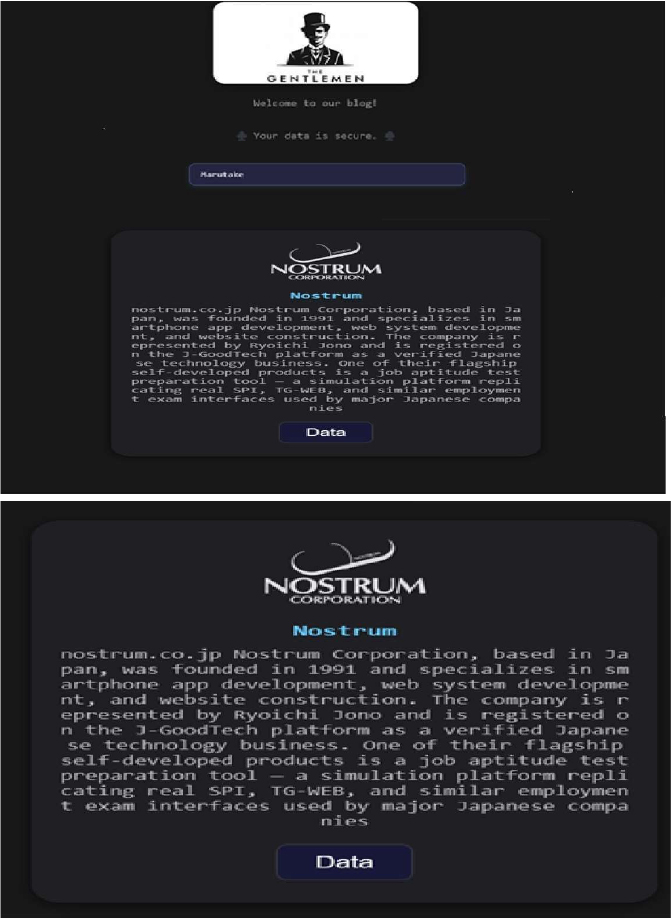
Source: Dark Web
Relevancy & Insights:
ETLM Assessment:
According to CYFIRMA’s assessment, the Gentlemen Ransomware is a highly adaptive and globally active threat that leverages dual-extortion tactics, combining data theft with file encryption. The group employs advanced evasion and persistence techniques, supports cross-platform and scalable ransomware deployment, and conducts targeted attacks across multiple industries and geographic regions. This combination of capabilities makes it a significant risk to enterprise cybersecurity defenses, particularly for organizations with limited detection and incident-response maturity.
Vulnerability in VMware Fusion
Relevancy & Insights:
The vulnerability exists due to a time-of-check time-of-use race condition in a SETUID binary when performing an operation.
Impact:
A local user can exploit the race condition to escalate privileges to root.
Affected Products:
https[:]//support[.]broadcom[.]com/web/ecx/support-content-notification/-/external/content/SecurityAdvisories/0/37454
Recommendations:
Monitoring and Detection: Implement monitoring and detection mechanisms to identify unusual system behavior that might indicate an attempted exploitation of this vulnerability.
TOP 5 AFFECTED TECHNOLOGIES OF THE WEEK
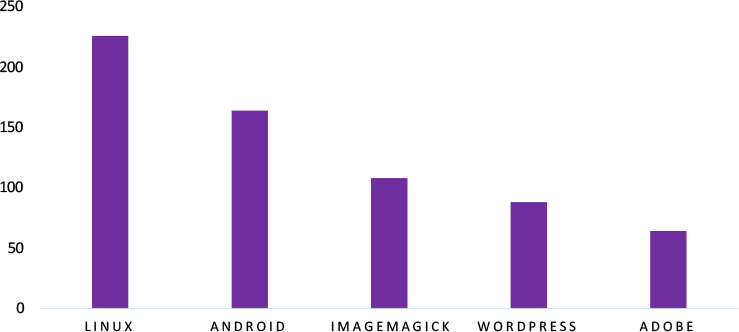
This week, CYFIRMA researchers have observed significant impacts on various technologies due to a range of vulnerabilities. The following are the top 5 most affected technologies.
ETLM Assessment
Vulnerability in VMware Fusion introduces significant risks to environments that rely on desktop virtualization for software development, testing, and isolated workload execution. As VMware Fusion is widely used to host virtual machines across enterprise and professional environments, exploitation of this vulnerability could allow attackers to gain elevated privileges on host systems, potentially compromising both virtualized workloads and underlying infrastructure. Organizations leveraging virtualization platforms must ensure timely patching, enforce least privilege access controls, and continuously monitor host activity to reduce the risk of privilege abuse. Addressing this vulnerability is essential to maintaining the integrity, security, and operational stability of virtualization environments.
INC Ransomware attacked and published the data of Lals Group
Summary:
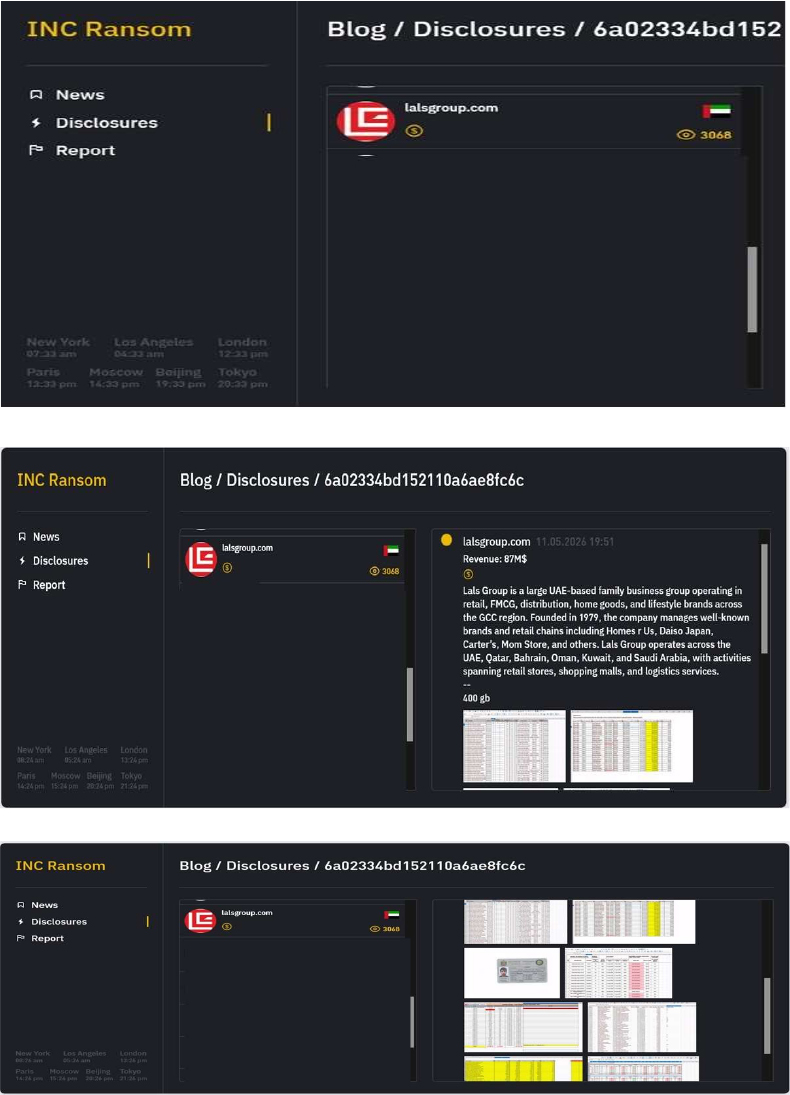
Recently, we observed that INC Ransomware attacked and published the data of Lals Group (https[:]//www[.]lalsgroup[.]com/) on its dark web website. Lals Group is a large UAE-based family business group operating in retail, FMCG, distribution, home goods, and lifestyle brands across the GCC region. Founded in 1979, the company manages well-known brands and retail chains, including Homes ‘R’ US, Daiso Japan, Carter’s, Mom Store, and others. Lals Group operates across the UAE, Qatar, Bahrain, Oman, Kuwait, and Saudi Arabia, with activities spanning retail stores, shopping malls, and logistics services. The ransomware attack against Lals Group allegedly resulted in the compromise of approximately 400 GB of corporate data, according to the leak page shown in the image. The exposed samples suggest that the stolen information may include internal financial spreadsheets, employee or HR records, identification documents, operational and sales reports, distribution and inventory data, customer or vendor-related information, accounting records, and business management documents. The preview files display structured databases, payroll or employee-related spreadsheets, tabulated financial data, and scanned identity documentation, indicating that both sensitive corporate operational data and personally identifiable information (PII) may have been exfiltrated during the ransomware incident.
Source: Dark Web
Relevancy & Insights:
ETLM Assessment:
Based on recent assessments by CYFIRMA, INC Ransomware represents a significant threat within the evolving landscape of ransomware attacks. Its use of strong encryption methods and double extortion tactics highlights the increasing sophistication of cybercriminal operations. Organizations are advised to enhance their cybersecurity measures by implementing robust defenses against phishing attacks, maintaining updated security protocols, and monitoring for unusual network activity to mitigate risks associated with this and other ransomware variants. Continuous vigilance is essential to protect against the threats posed by emerging ransomware groups like INC Ransomware.
Kuwait Ministry of Electricity Data Advertised on a Leak Site
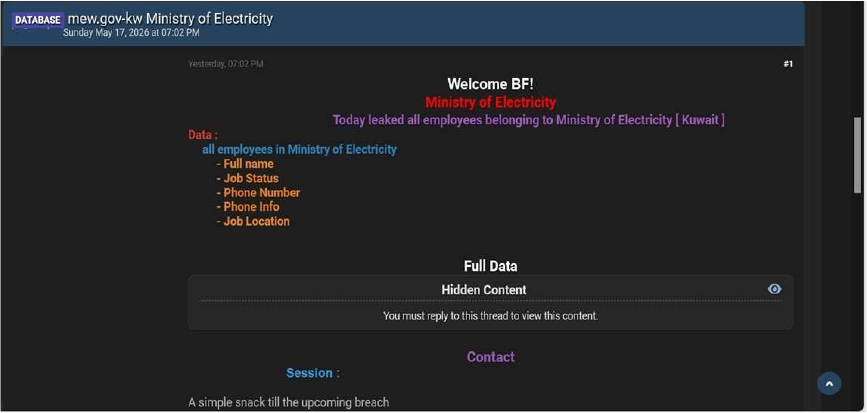
Summary: The CYFIRMA research team identified a post on a dark web forum by a threat actor using the alias “Revesky,” claiming responsibility for a significant data leak allegedly targeting the Ministry of Electricity of Kuwait through the domain mew[.]gov[.]kw. In the forum post, the actor claimed to have leaked employee- related records associated with the Ministry of Electricity, describing the incident as a breach affecting personnel data belonging to the government entity. The post, published on a cybercrime forum in May 2026, advertised access to what the actor described as a database containing information on ministry employees, with the full dataset hidden behind restricted forum access.
According to the threat actor’s statement, the allegedly compromised data includes sensitive employee-related information such as full names, job status details, phone numbers, phone-related information, and job location records. The actor presented the leak as a complete exposure of ministry employee data and included references to downloadable or restricted-access content, increasing the credibility and potential impact of the claim. While the exact method of compromise was not disclosed in the post, the nature of the exposed information suggests a possible breach involving internal personnel management systems, unsecured databases, or compromised administrative access.
Based on the threat actor’s claims and the information visible in the forum post, the compromised dataset reportedly includes:
If validated, the exposure of employee information belonging to a government ministry could create substantial security and privacy risks for affected individuals and the organization itself. The availability of employee identities, contact numbers, and workplace details could enable targeted phishing campaigns, impersonation attempts, social engineering attacks, and credential-harvesting operations aimed at government personnel. Threat actors could also leverage the information to conduct reconnaissance against critical infrastructure entities associated with Kuwait’s energy and electricity sector.
Particularly concerning is the potential misuse of employee contact and location information to facilitate spear-phishing attacks against ministry staff or contractors with privileged access to government systems. Such exposure may also increase the risk of identity theft, fraudulent communications, and intelligence-gathering activities by cybercriminal or state-aligned threat actors targeting critical national infrastructure.
This incident highlights the ongoing cybersecurity risks facing government institutions and critical infrastructure organizations, particularly those operating within the energy and utilities sector. If confirmed, the breach would represent a potentially serious exposure of personally identifiable information (PII) and operational personnel data. The incident further underscores the importance of implementing robust access controls, continuous monitoring of exposed assets, employee data protection measures, and proactive dark web intelligence monitoring to identify and mitigate emerging cyber threats.
The authenticity of this Access sale remains unverified at the time of reporting, as the claim originates solely from the threat actor.
Source: Underground Forums
Okinawa Tourist Service (OTS) Data Advertised on a Leak Site
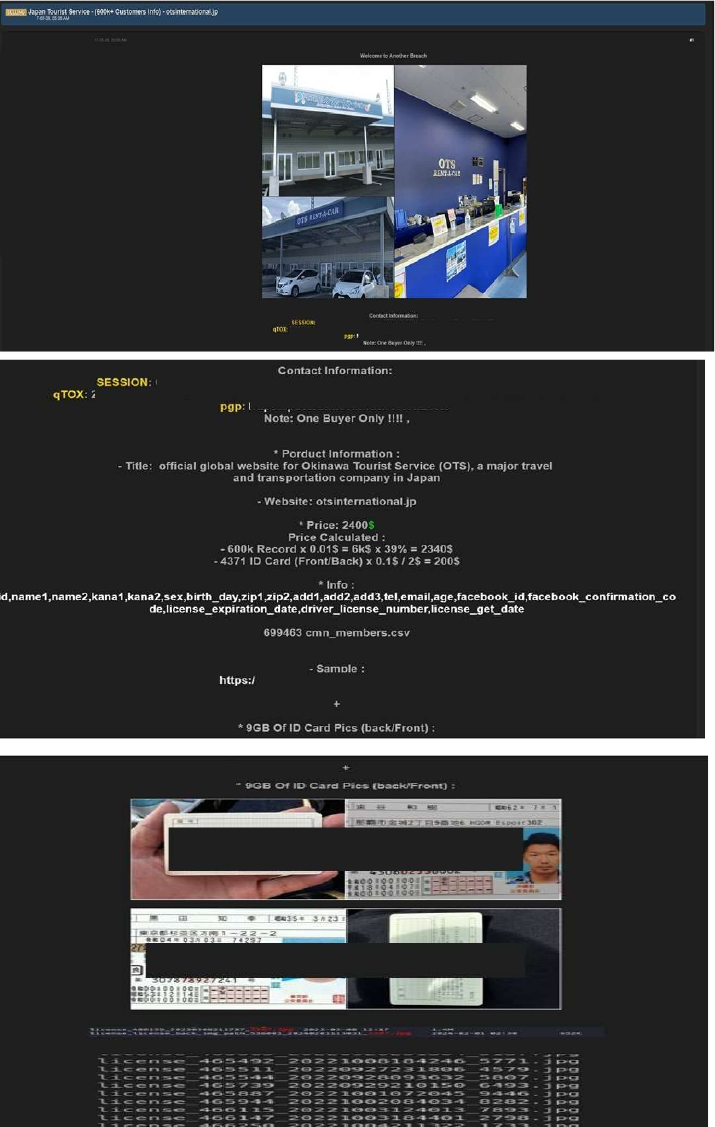
Summary: The CYFIRMA research team identified a post on a dark web forum by a threat actor using the alias “Sexybroker,” advertising the alleged sale and exposure of a large-scale customer database associated with OTS International Japan, linked to the domain otsinternational[.]jp. In the forum post, the actor claimed to possess sensitive customer information belonging to Okinawa Tourist Service (OTS), a major travel and transportation service provider in Japan specializing in vehicle rentals and tourism-related operations. The post suggests that the dataset contains approximately 600,000 customer records and includes personally identifiable information (PII), booking-related metadata, and government-issued identity documentation.
According to the threat actor’s description, the compromised dataset was allegedly extracted from internal customer management and booking systems associated with the OTS platform. The actor shared screenshots of customer identification cards, drivers’ licenses, and database field structures as proof of possession, increasing the credibility of the claim. The forum post also referenced the sale of the dataset and included communication channels for negotiation, indicating a clear financial motivation behind the breach.
Based on the threat actor’s claims and the visible sample data shared in the forum post, the compromised dataset reportedly includes:
Based on the information provided in the post, the actor assigned an estimated value of approximately USD 2,400 to the database.
The authenticity of this Access sale remains unverified at the time of reporting, as the claim originates solely from the threat actor.
Source: Underground Forums
Relevancy & Insights:
Financially motivated cybercriminals are continuously looking for exposed and vulnerable systems and applications to exploit. A significant number of these malicious actors congregate within underground forums, where they discuss cybercrime and trade stolen digital assets. Operating discreetly, these opportunistic attackers target unpatched systems or vulnerabilities in applications to gain access and steal valuable data. Subsequently, the stolen data is advertised for sale within underground markets, where it can be acquired, repurposed, and utilized by other malicious actors in further illicit activities.
ETLM Assessment:
The threat actor “Sexybroker” is assessed to be an active and capable cybercriminal entity involved primarily in data breach and leak operations. Multiple credible indicators associate the actor with incidents involving unauthorized access to organizational systems, followed by the publication, sale, or distribution of stolen data on underground forums. These activities reflect the increasing sophistication and persistence of cyber threats emerging from organized cybercriminal ecosystems, emphasizing the need for organizations to strengthen their security posture through continuous monitoring, enhanced threat intelligence capabilities, and proactive cybersecurity measures to safeguard sensitive data and critical assets.
Recommendations: Enhance the cybersecurity posture by:
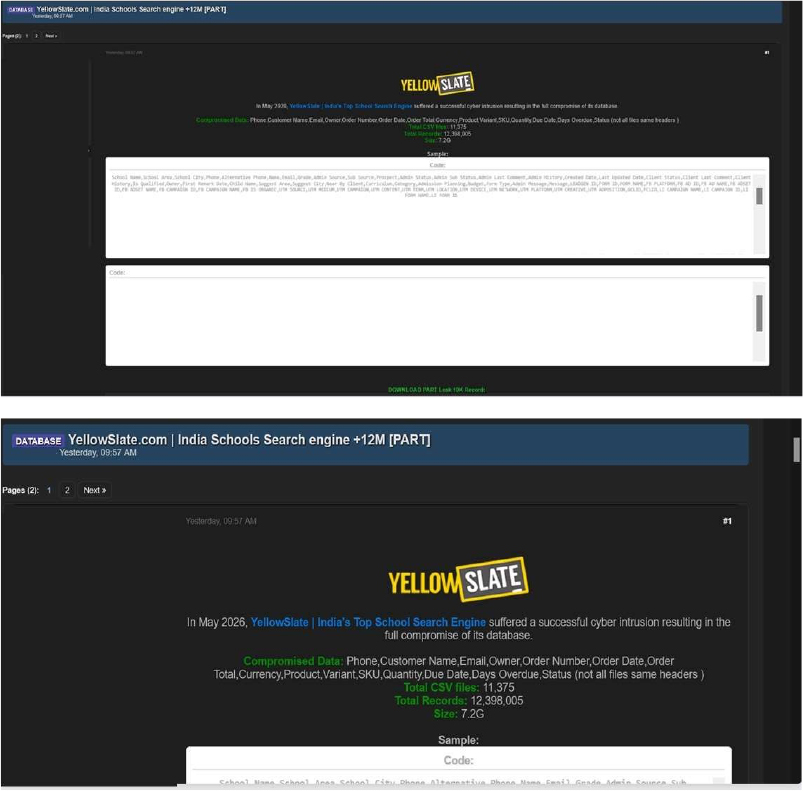
The CYFIRMA research team identified a dark web forum post by a threat actor using the alias “zSenior,” who claimed responsibility for compromising and publicly disclosing a database linked to YellowSlate.com, an India-based school search and educational discovery platform. The actor alleged that the intrusion occurred in May 2026 and resulted in full access to the platform’s database, with part of the dataset already leaked and a sample of about 10,000 records offered for download.
According to the post, the exposed database contains a large amount of customer data, lead-generation, school, and transactional data gathered through the platform’s educational search and marketing services. The actor claimed the dataset includes 12,398,005 records across 11,375 CSV files, totaling about 7.2 GB. Sample records shared in the forum appear to include school lead data, customer contact details, sales records, marketing attribution metadata, and order-related information, which lends some credibility to the claim.
Based on the alleged sample data, the compromised dataset reportedly includes: Full names of customers, parents, students, and prospects.
The threat actor claimed the exposure involves more than 12.3 million records, potentially affecting schools, parents, students, institutions, prospects, and customers connected to the platform. Because the data includes contact details, educational records, marketing metadata, and transactional information, it could be misused for phishing, business email compromise, identity theft, fraudulent communications, and social engineering.
The authenticity of this breach remains unverified at the time of reporting, as the claim originates solely from the threat actor.
Source: Underground Forums
STRATEGIC RECOMMENDATIONS
MANAGEMENT RECOMMENDATIONS
TACTICAL RECOMMENDATIONS
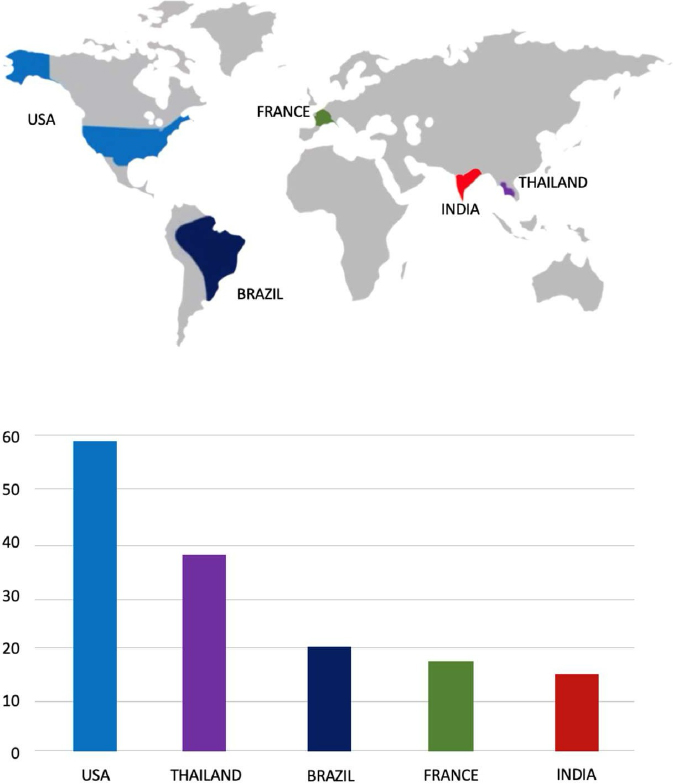
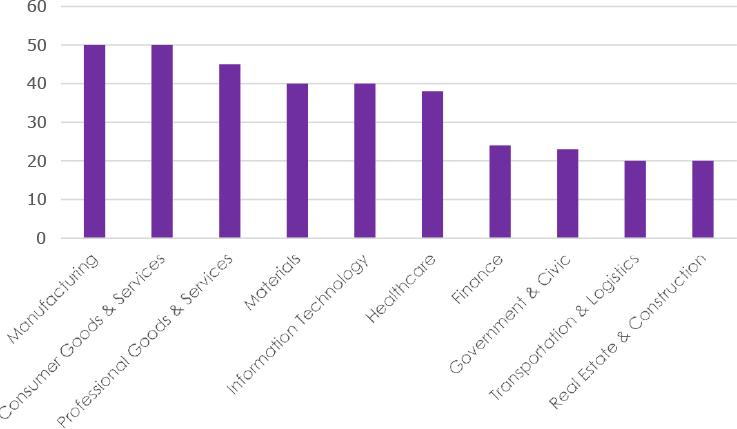
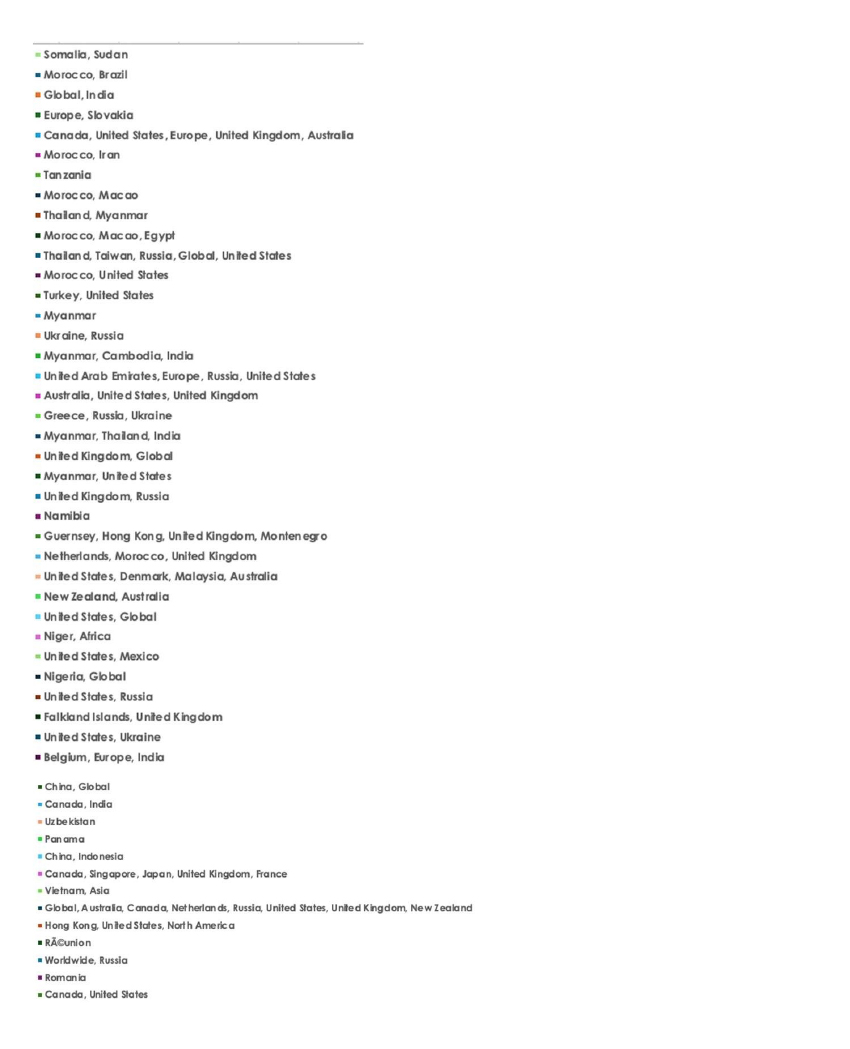
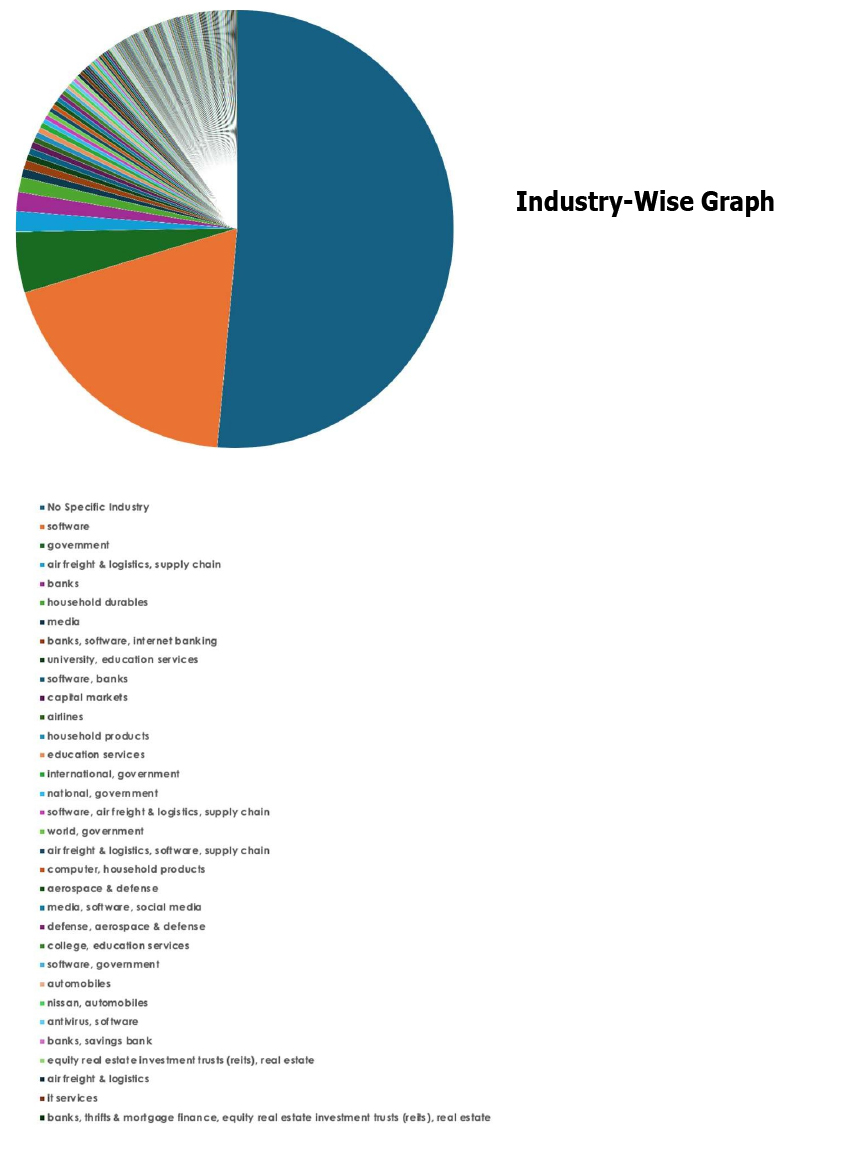
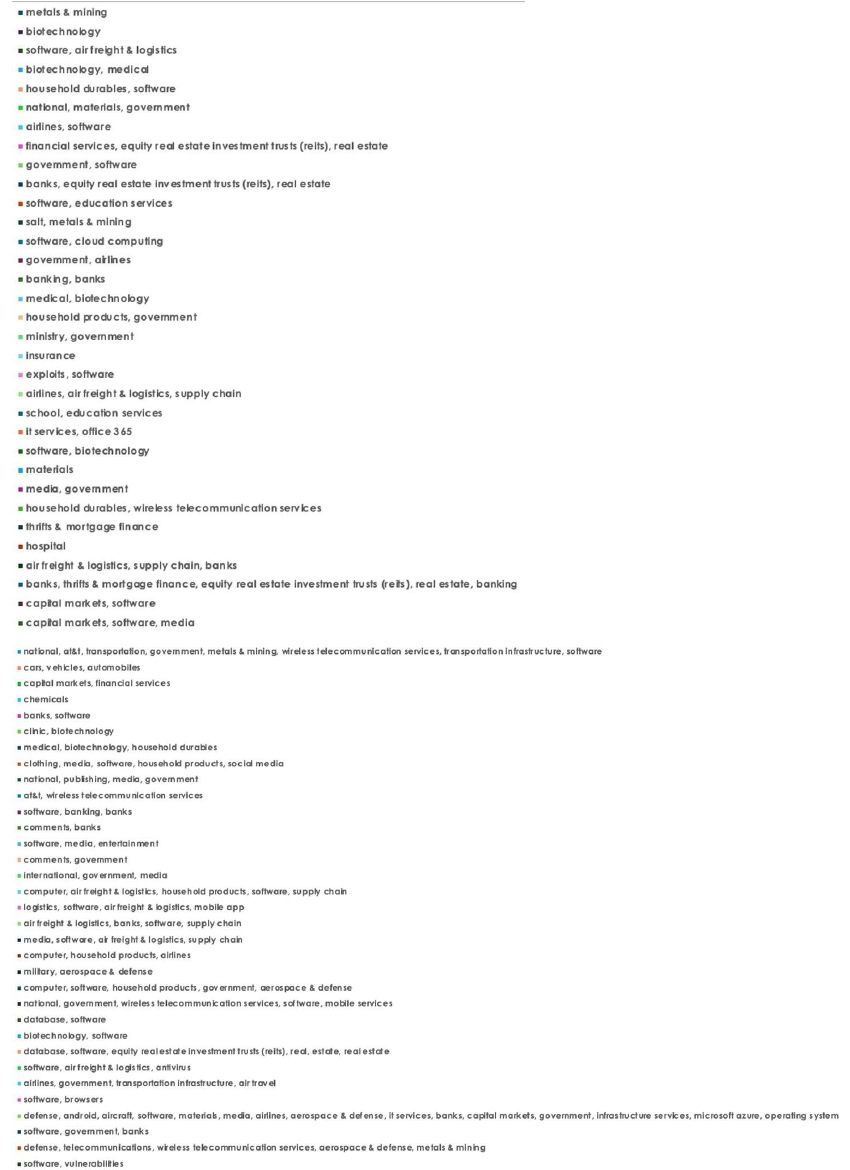
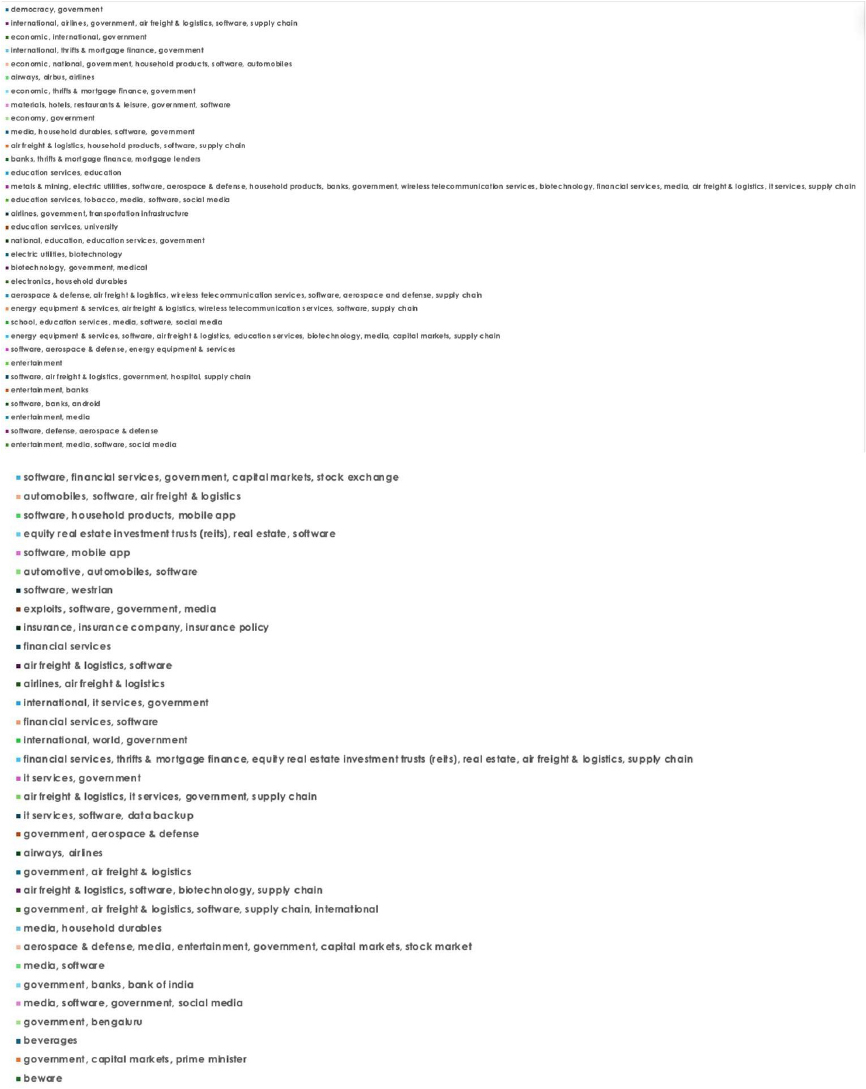
Please find the Geography-Wise and Industry-Wise breakup of cyber news for the last 5 days as part of the situational awareness pillar.
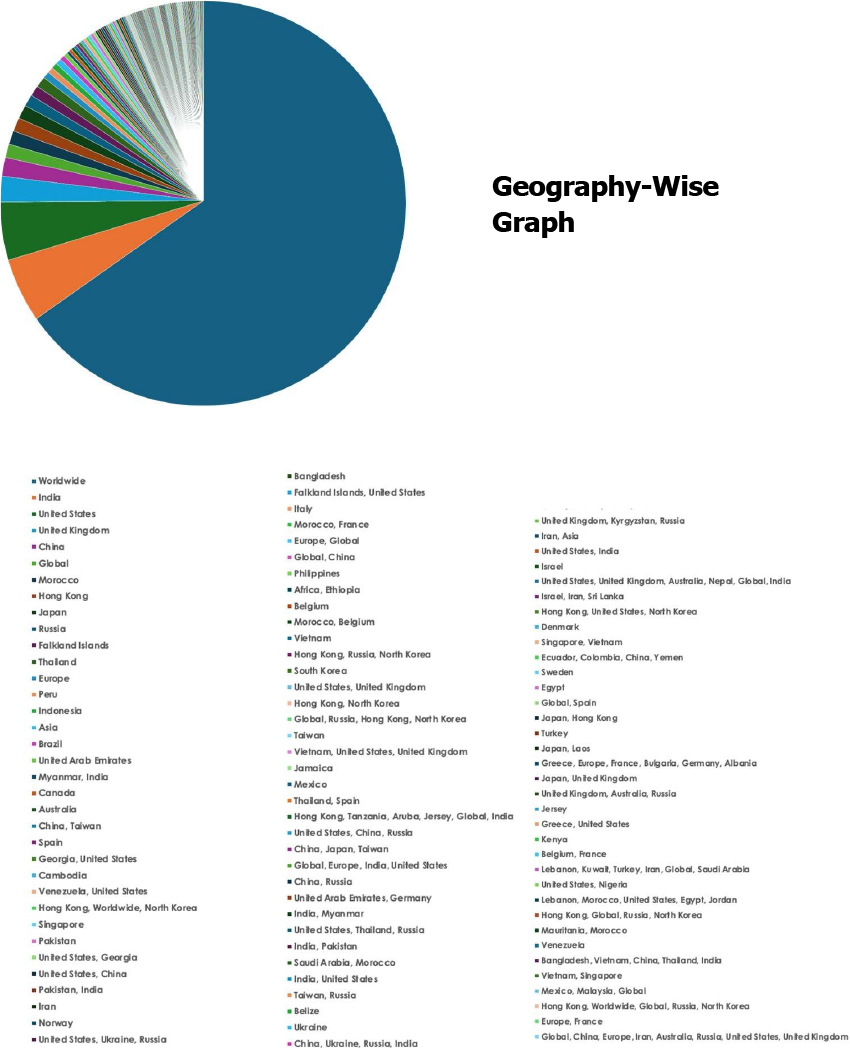
For situational awareness intelligence and specific insights mapped to your organisation’s geography, industry, and technology, please access DeCYFIR.
